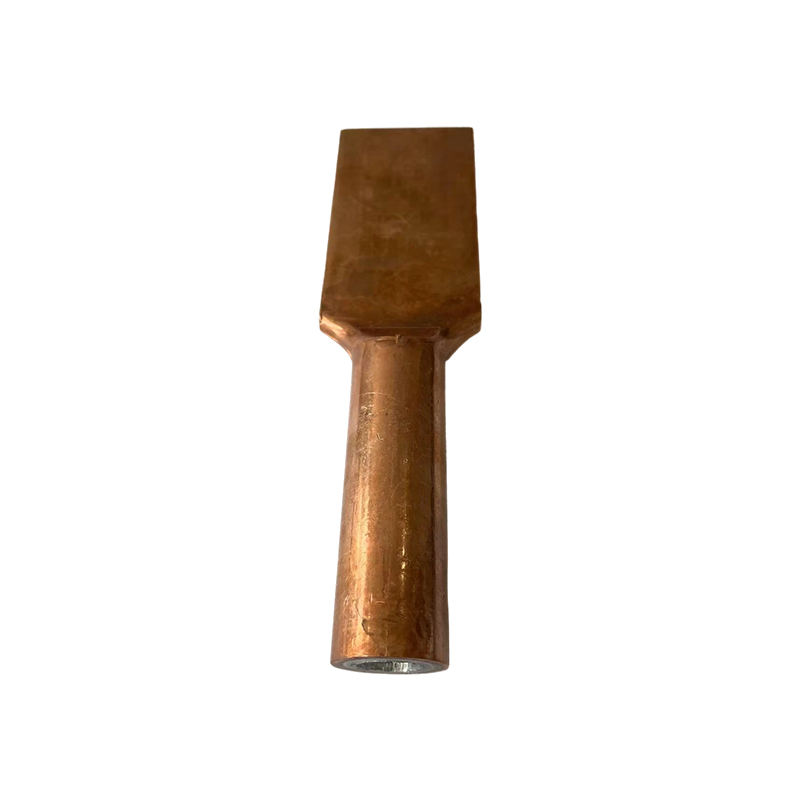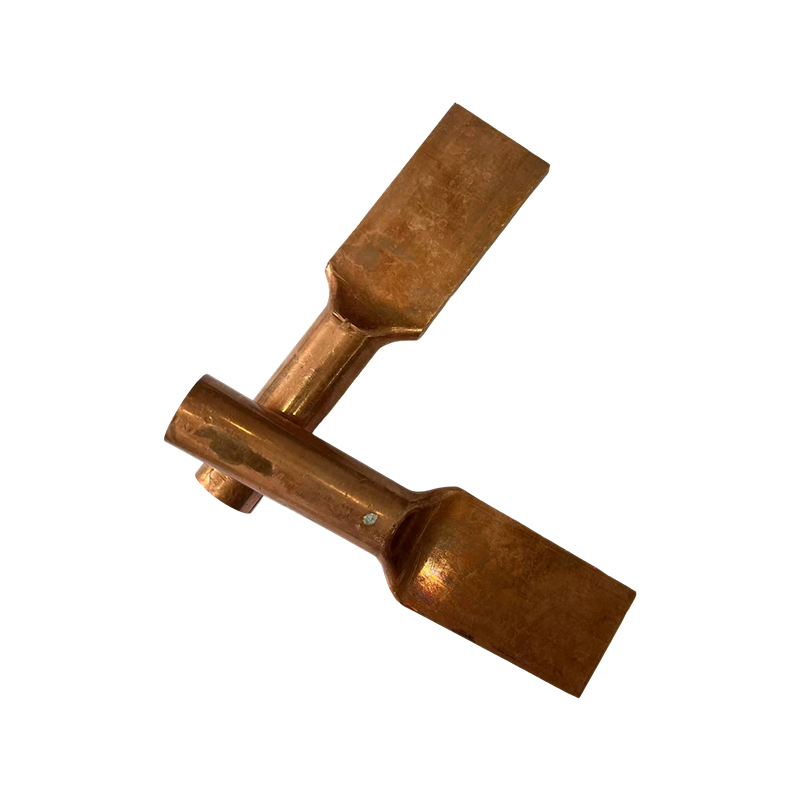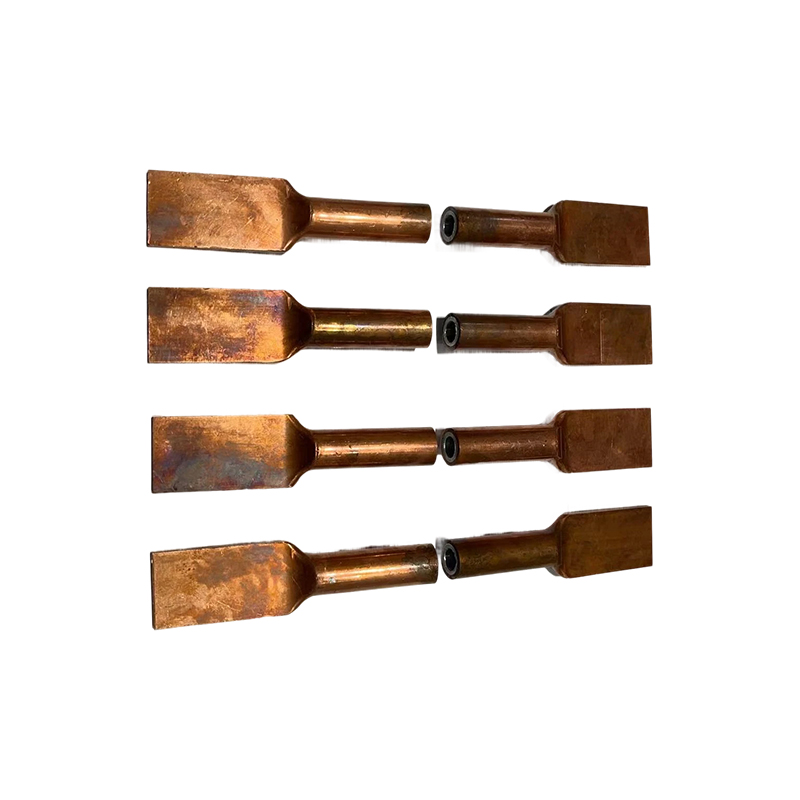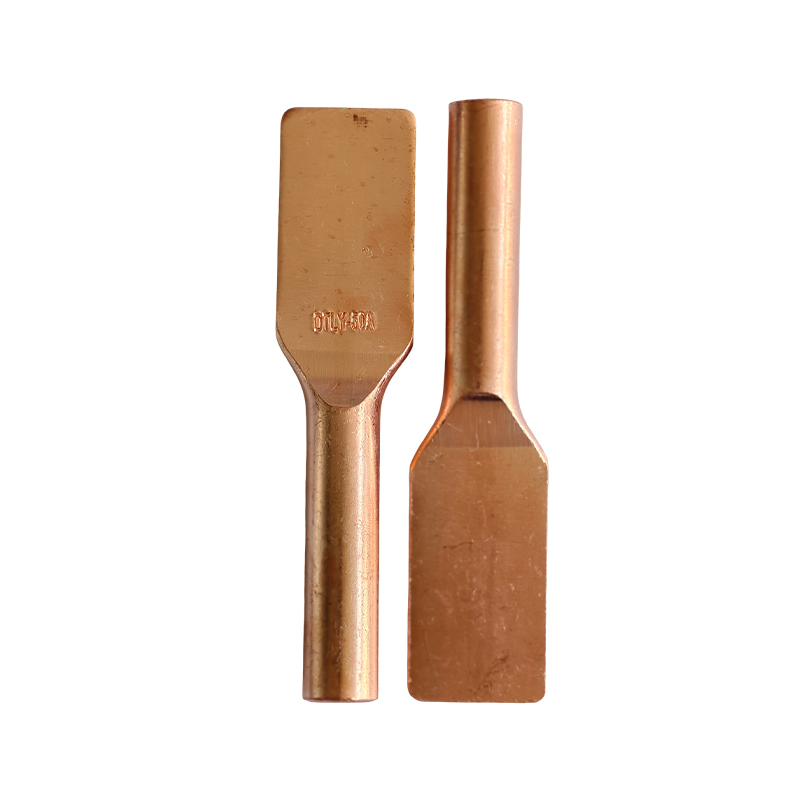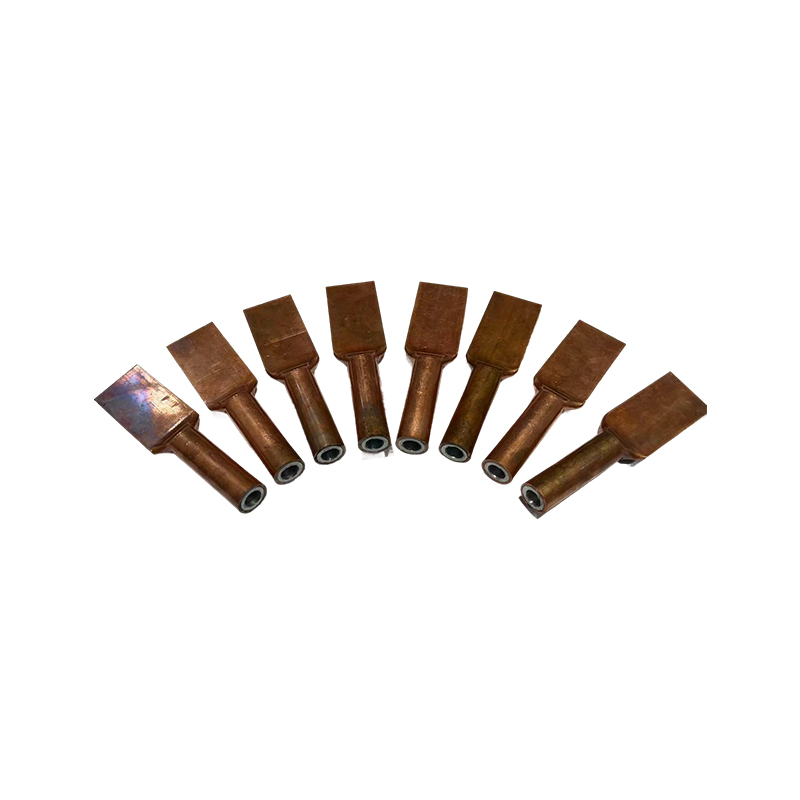
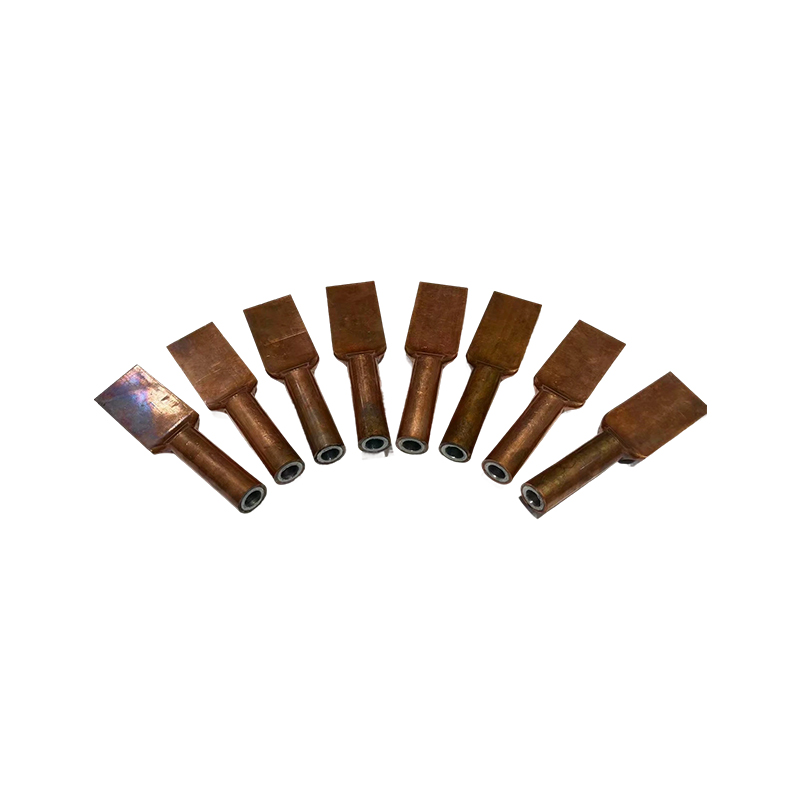
Optimizing the design of contact surfaces requires a comprehensive approach from multiple dimensions, including material selection, structural innovation, process control, and protective measures.
In high-voltage power systems, connecting copper and aluminum conductors has long been a technical challenge. Copper and aluminum not only have different electrical conductivities, but their coefficients of thermal expansion also differ significantly. Whe
In power transmission and distribution systems, the connection between copper and aluminum conductors has always been a technical challenge.
Copper and aluminum have significantly different physical properties, such as a difference of about 36% in their coefficients of thermal expansion. Direct welding can easily cause thermal stress due to the different cooling contraction rates, leading to c
In power transmission systems, copper and aluminum, as two mainstream conductor materials, often require reliable connections in substations, distribution cabinets, or overhead lines due to differences in cost, weight, and conductivity.
From an engineering application perspective, the temperature range design of the new copper-aluminum transition clamp is closely integrated with the needs of actual scenarios.