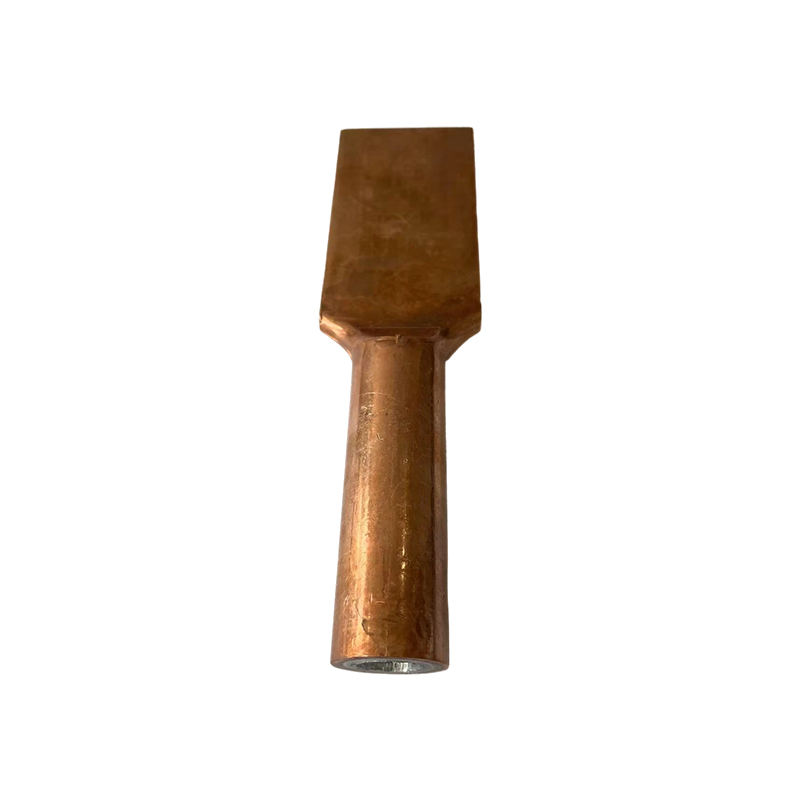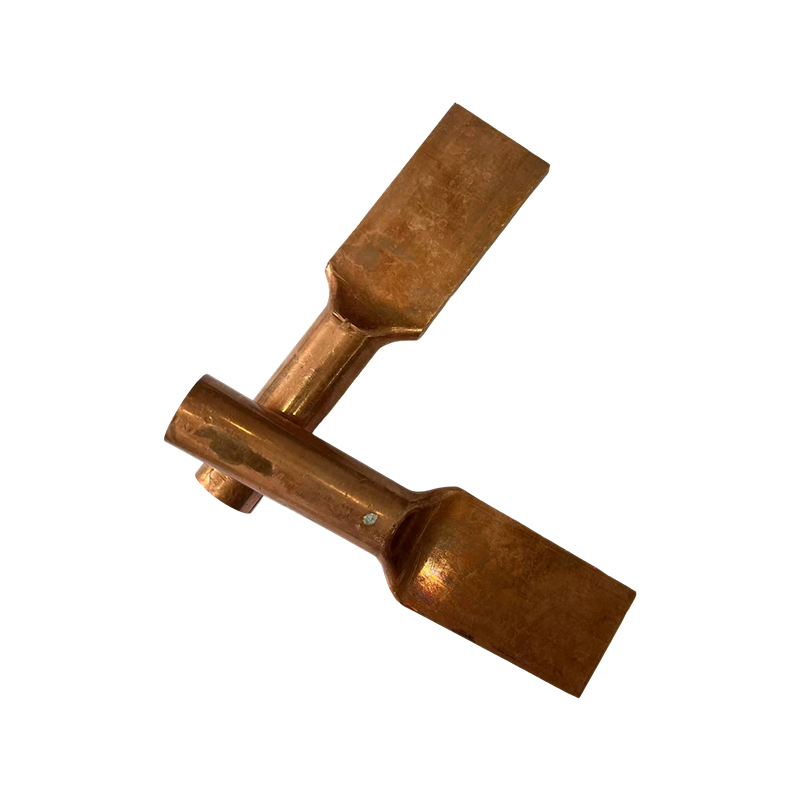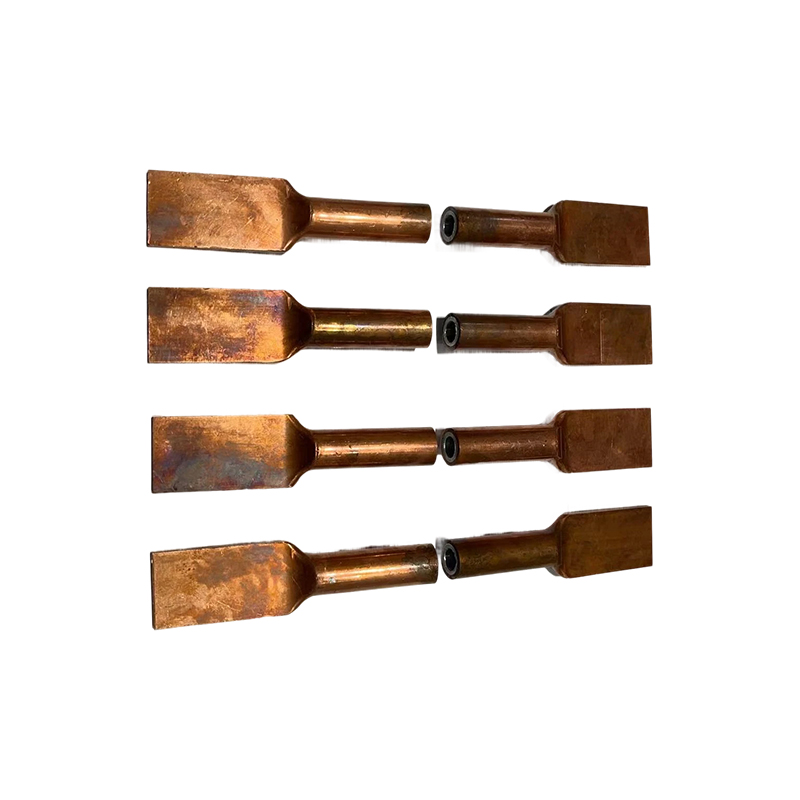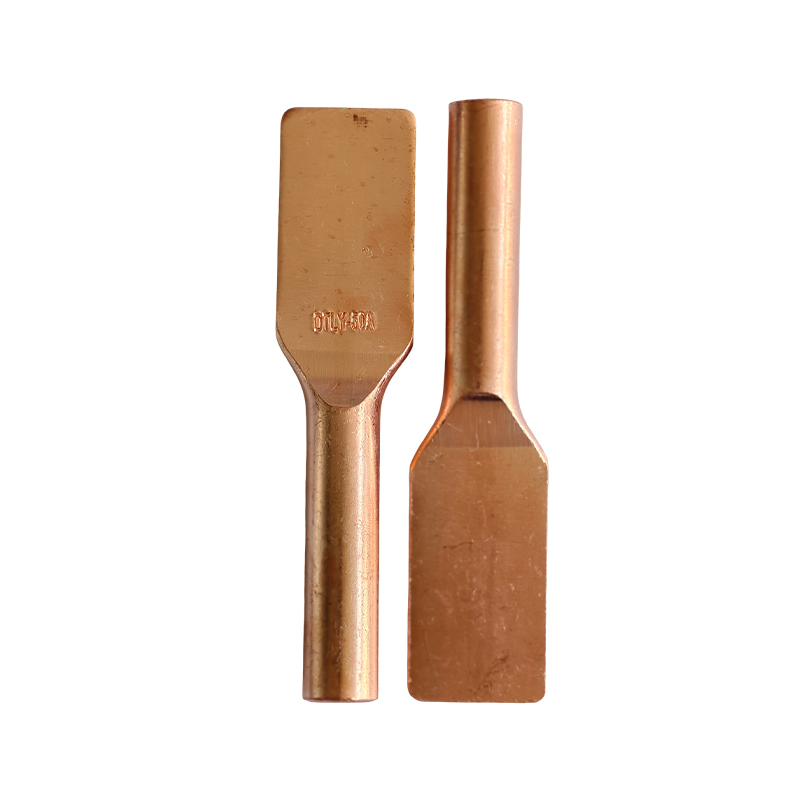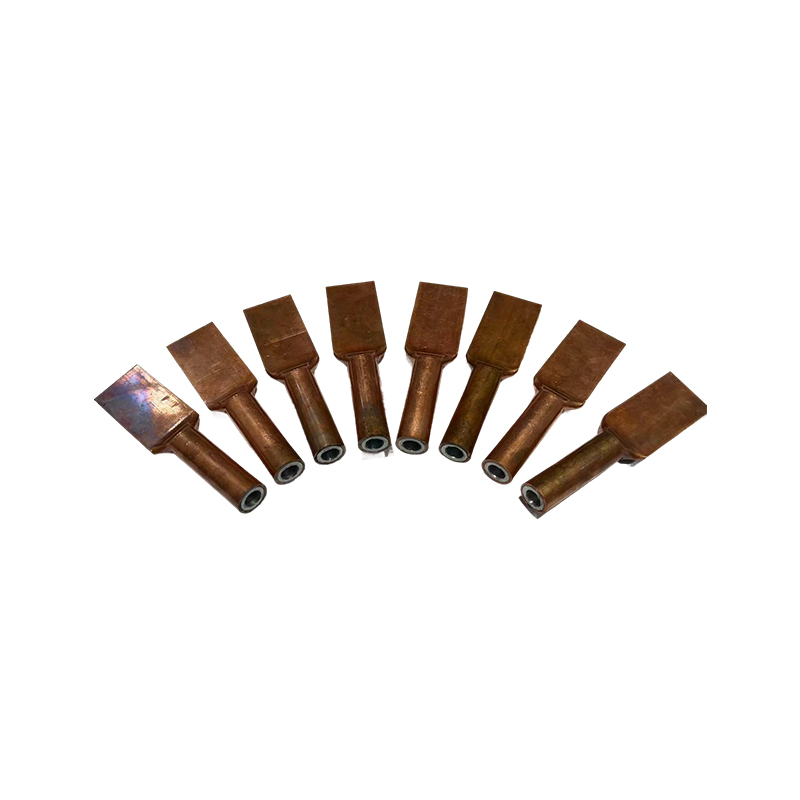
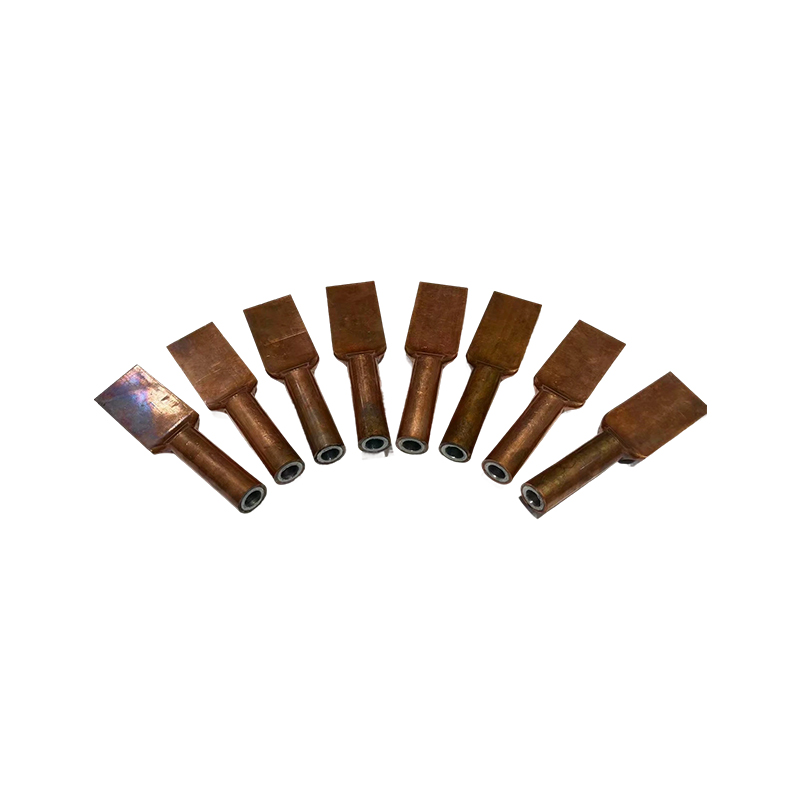
The manufacturing process has a decisive influence on the corrosion resistance of the new copper-aluminum transition clamp.
In power system operation, copper and aluminum, two widely used conductive materials, often need to be connected at joints.
The new copper-aluminum transition clamp, leveraging a series of innovative processes, fundamentally addresses this vulnerability, transforming it from a fragile connection to a robust hub.
Amid the crisscrossing steel forest of high-voltage power grids, the new copper-aluminum transition clamp stands as a silent "bridge" of electricity
The rate of electrochemical corrosion is related to the current density in the contact area, and corrosion is more likely to occur where the current is concentrated.
In the copper-aluminum transition clamp copper-aluminum connection, the reasonable setting of the crimping process parameters is the core link to ensure the reliability of the connection.